
Don’t Toss the Bouquet: How Resin Preservation Saves Wedding Flowers for Decades
Your wedding bouquet has one job for one day: look incredible and hold a million emotions in a handful of stems.
Resin preservation gives it a second job: become a display-worthy keepsake you can actually live with—on a shelf, a desk, or a coffee table—without crumbling petals, falling leaves, or a frame you only open once a year.
If you’re considering wedding flower resin preservation, here’s what it is, how it works, what can (and can’t) be preserved, and how to keep your finished piece looking crystal-clear for the long run.
What is wedding flower resin preservation?
Resin preservation (often called bouquet casting) is the process of drying your wedding flowers, then encasing them in clear resin (commonly epoxy) to create a solid, glass-like keepsake—think blocks, trays, hearts, letters, coasters, or picture-frame style pieces.
Fresh flowers can’t go straight into resin.
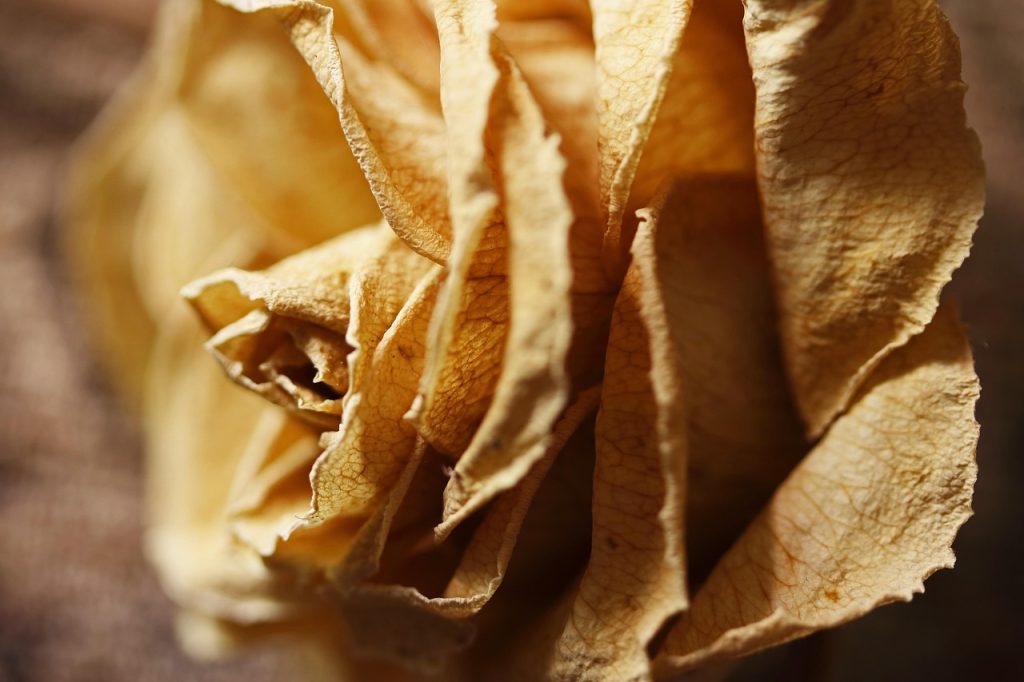
Flowers must be dried first so moisture doesn’t cause discoloration, decay, or resin issues. Many pros use silica gel drying because it helps retain shape and colour better than basic air drying.
The “window of time” after your wedding matters more than you think
Bouquets start changing fast: wilting, bruising, browning edges, and soft petals collapsing. If you want the best result:
- Keep the bouquet cool and dry
- Avoid direct sun and heat
- Don’t store it in water overnight if you’re planning resin (waterlogged stems don’t help)
- Get it into preservation as soon as possible
What the resin preservation process looks like at Picami
While every studio has its own workflow, we at Picami Projects have a structure that offers high quality resin output:
- Intake & design planning
Decide: block, tray, heart, letters, multiple small pieces, inclusion of ribbon/vows/charms, etc. - Drying & stabilizing
Silica/press/freeze-dry depending on your chosen finish and budget. - Layout & test fit
Composition is everything—your bouquet is redesigned for the final shape. - Casting in layers
Resin is poured in controlled layers to reduce bubbles, heat, and shifting. - Cure + finishing
Sanding, polishing, edge clean-up, optional top coat.
How long does it take?
Timelines vary by piece thickness. Some resin preservation can be around 1–2 weeks for the making/curing portion (depending on the project), while other preservation workflows, especially when combined with more complex processes – can take significantly longer in total turnaround.